- info@ulb.com.tr
- +90 262 526 00 08
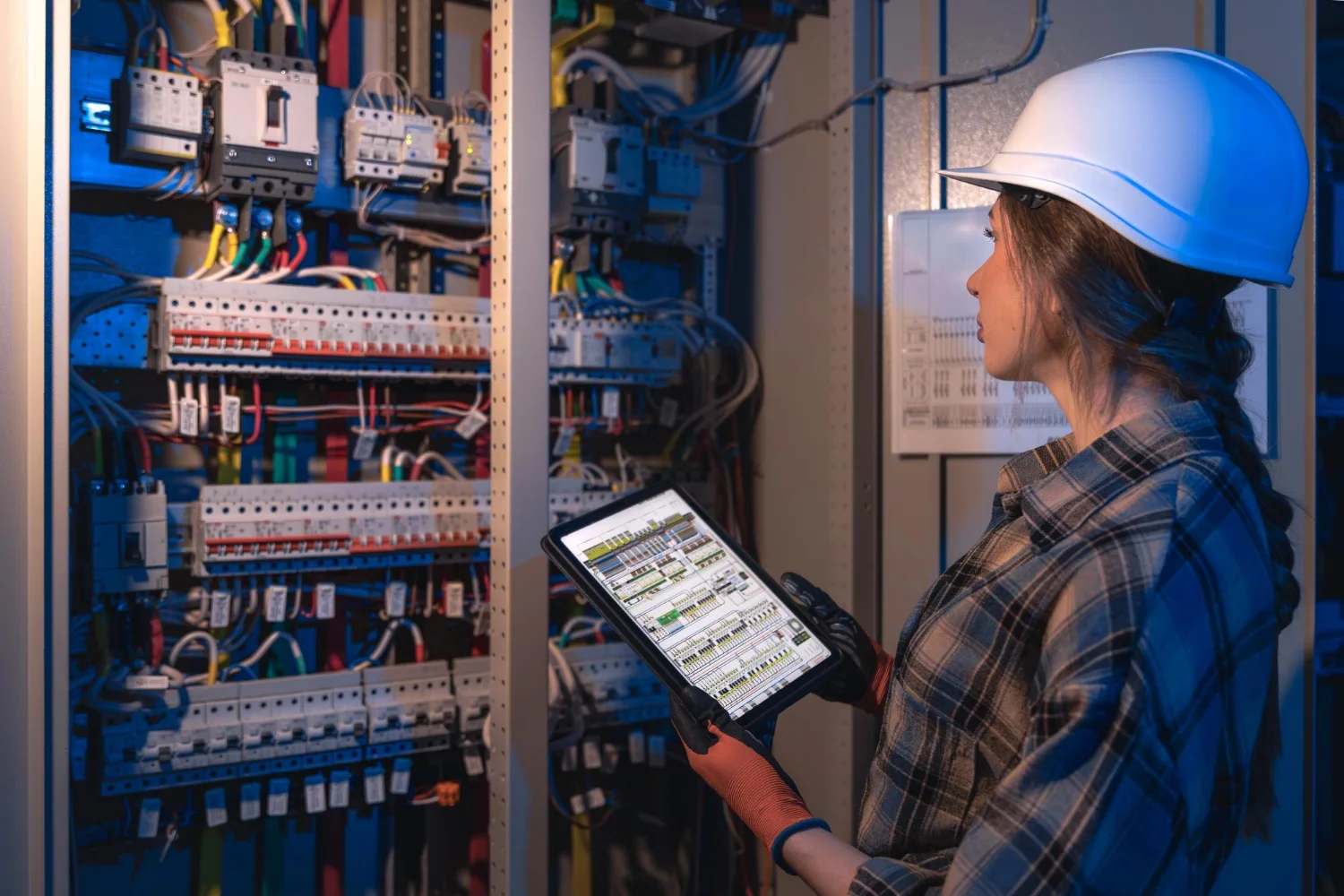
Electrical installation is the entirety of cabling, distribution panels, protection systems, and electrical equipment designed to meet the energy needs of buildings safely and efficiently. In every building, from residences to industrial facilities, the electrical infrastructure is critically important for the safety and continuity of the operation.
A properly planned electrical installation not only ensures energy distribution but also increases system safety, simplifies maintenance processes, and reduces energy losses.
Every building has a different purpose and energy needs.
Therefore, electrical installations should be designed according to the technical requirements of the building, rather than standard solutions. With the correct cable cross-sections, appropriate protective equipment, and balanced load distribution, systems operate more safely and efficiently. Professional design also contributes to reducing risks such as overloading, short circuits, and power outages that may occur in the future. Energy Efficiency and Operational Performance Energy efficiency is an important criterion in modern electrical systems. Efficient distribution systems, quality equipment selection, and automation solutions can reduce unnecessary energy consumption and lower operating costs. Especially in industrial facilities, a properly planned electrical infrastructure ensures uninterrupted production processes, increasing operational efficiency. The Importance of Periodic Inspection and Maintenance Regular maintenance and inspections should not be neglected to ensure the safe operation of electrical installations. Regular checks of panels, cable connections, protective equipment, and grounding systems prevent potential malfunctions. Periodic maintenance extends system life, supports occupational safety, and prevents unexpected downtime. Conclusion Electrical installations are one of the most critical engineering systems in buildings. With proper design, quality implementation, and regular maintenance, it is possible to create safe, efficient, and long-lasting electrical infrastructures. Therefore, working with experienced engineering teams on electrical installation projects is an important step in increasing the safety and sustainability of investments.

 en
en tr
tr